Lake Chad Basin Conservation Project
Enhancing Climate Resilience and Community EmpowermentProject Overview
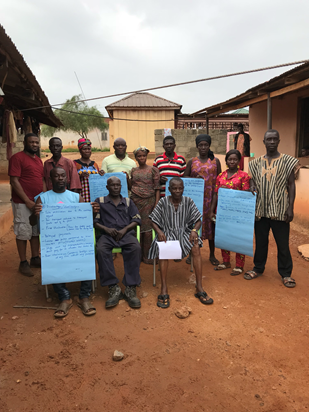
Vamuloh Consulting Inc in partnership with the Centre for Indigenous and Environmental Resources (CIER) Canada, and Alinea International led the development of a toolkit that aims to enhance the climate resilience of ecosystems and marginalized communities structurally vulnerable to climate change. With a focus on women and youth, the project team applied nature-based climate solutions to six Lake Chad Basin RAMSAR wetland sites in Cameroon, Chad and Niger. An environmental peacebuilding approach and the application of Indigenous knowledge and practices help reduce local conflict related to use and access of resources.
Summary of the Toolkit
In the face of climate change, African communities, particularly those of the Lake Chad Basin are among the most vulnerable to the effects of climate change. To effectively adapt to the changing climate, it is crucial to engage and empower all members of society, particularly youth and women, who often bear the brunt of climate impacts.
Community-led action can be a powerful force for change. Community-led climate action refers to initiatives and efforts at the local level where communities play an active role to limit climate change and adapt to its consequences. It involves communities taking ownership of the challenges and opportunities associated with climate change and working collaboratively to implement solutions.
The Lake Chad Climate Change Adaptation Planning Toolkit aims to provide actionable strategies and resources for communities in the Lake Chad Basin to adapt to climate change while prioritizing the participation and leadership of youth and women by leveraging local traditional knowledge. The intent is for the Toolkit to be used by communities at all different stages of the adaptation planning process, including communities with little or no prior experience.
Gender and Social Inclusion
The gender-differentiated impacts of climate change need to be accounted for when understanding the impacts of climate change on communities, while drawing attention to the fact that power relations, gender and other social discrimination result in many women and youth not having the same rights as their male counterparts. For example, own or control land or other assets or have access to education, public information or climate finance, as applicable. Understanding these impacts should be based on gender-disaggregated data. Thus, throughout the Toolkit there are activities to help with understanding the unique challenges faced by women and youth and developing climate change adaptation plans that reflect the voices of all community members.
Toolkit Structure
The toolkit consists of the following 5 Chapters:
- Chapter 1: Understanding Climate Change Impacts
- Chapter 2: Community-Driven Climate Vulnerability – Building Climate Resilience
- Chapter 3: Identifying Community Sustainability and Climate Change Vulnerabilities
- Chapter 4: Environmental Peace/Conflict Analysis
- Chapter 5: Monitoring and Evaluation
Chapters include different activities, including goals, a list of materials, a set of questions, a description of the process and/or tips for developing and delivering. The goal of each chapter is highlighted in green and specific guidance for engaging with women and youth is highlighted in orange.
Contact Information
Contact vvabi@vamulohconsulting.com for a full version of the toolkit.
Project Details
Tags: Climate Resilience, Vulnerable Communities, Lake Chad Basin
Focus: Women and Youth Empowerment
Locations: Cameroon, Chad, Niger
Sites: Six RAMSAR Wetland Sites